
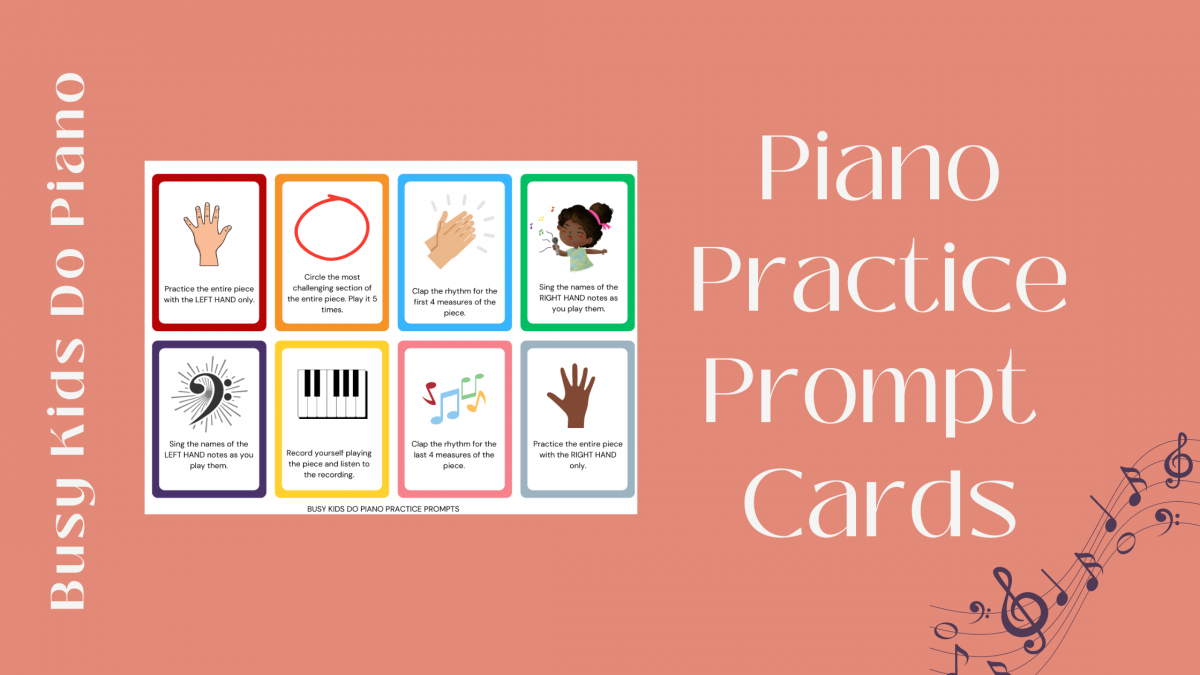
It’s not something exclusive to piano: we all want to be good at something as quickly as possible. Getting in our so-called 10,000 hours is often mundane, and maybe even a bit painful. And let’s be honest, some personalities can tolerate the mundane a bit more than others. For those of us who need extra novelty to keep going with piano practice, I’ve got your back.
Time and again, I’ve taught piano students who have hit the doldrums in practicing. I don’t blame them! I want to pick up a song and play it perfectly the first time through myself. It feels so good to master a piece of music, and the bumpy road to mastery can be a very rough ride, full of mistakes,
discouragement, and even self-doubt. In the world of learning to play piano, I like to stay on top of the boredom by keeping things creative and fun when it comes to piano practice.
It’s not even a question of whether your student has lost momentum in piano practice. It’s more a question of when those “stuck” places will arise. It’s bound to happen. So when it does, I’ve created this tool to keep things interesting and to keep those little fingers on the keys.
Let’s call it the Pick 3 Game…

You don’t need to be a piano player yourself, nor do you need to know anything about music to implement this tool immediately. Just download and print the two sheets containing 16 piano activity cards. Cut them apart and place them in a fun container or bowl on the piano. Have your student choose 3 cards to complete, and they will be practicing without knowing it.
I did the math here and drawing 3 cards at random per day yields up to 560 different combinations! If your student practiced daily, without skipping, this game would provide over 18 months of practice, with a different set of challenges each day. All of the cards I’ve included (except one or two that are just for fun) are effective practice techniques, useful for anyone from beginners to more advanced pianists who are continuing to learn. Even if your student is enthusiastic about practicing, we all hit dry spells and need some novelty to get us back on track.
Keep this download in your back pocket for those “stuck” seasons in your home.



My next sewing project is a jacket I hope to wear regularly. The fabric is expensive enough that I want to choose carefully. The supplier offers small swatches, although each piece is much smaller than a collar or lapel. Three fabric options remain: green, plum, and a neutral grey. I can imagine wearing any of them with my usual trousers. I have enough time to order samples before the sewing class starts. My main concern is that texture and the amount of visible fabric could change my impression once the jacket is actually assembled. I have read about how to find my color palette but I still need a practical way to judge these particular fabrics. How much can I reasonably learn from these tiny pieces? I could place them over a larger neutral cloth. The eventual lining and buttons need consideration as well. Which comparisons would you make before ordering the full length?