
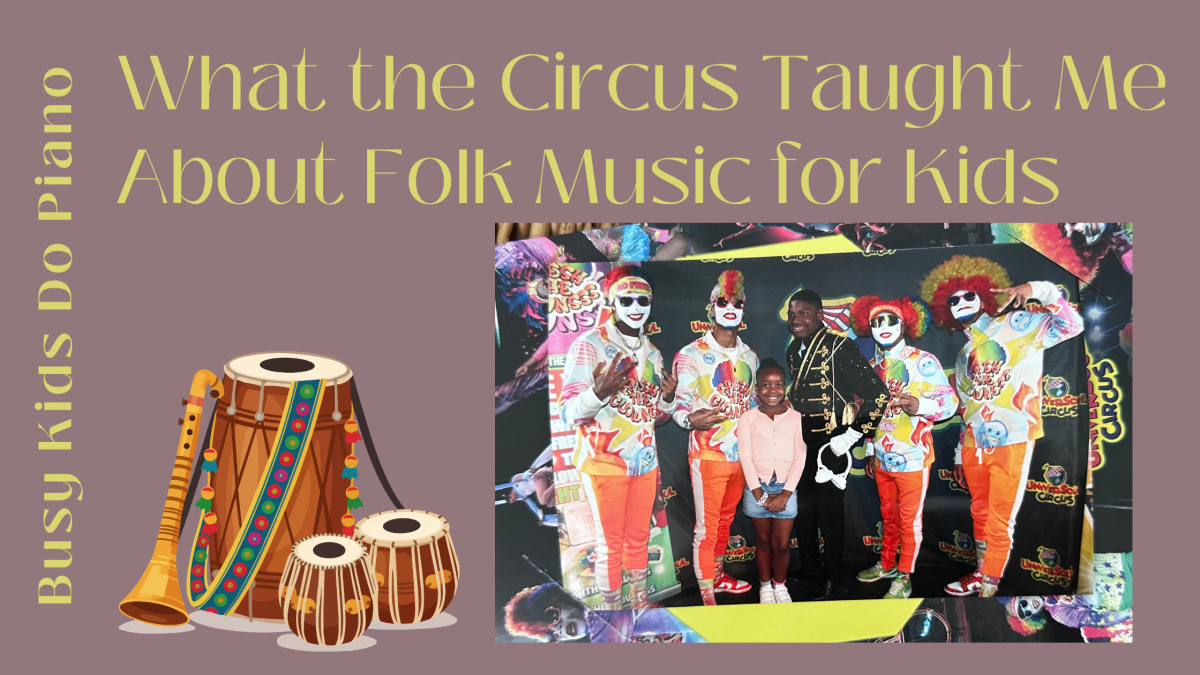
This past week, our whole family piled into the car and drove into Atlanta to take our son to the UniverSoul Circus for his 14th birthday. (He picked it himself, which I loved, partly because it meant I didn’t have to be the one to come up with a brilliant idea this year.) This was our fourth time going. You’d think the novelty would wear off after four visits, but somehow it doesn’t. If anything, I think I love it more each time we go.
If you’ve never been, UniverSoul is a little hard to describe. It’s a circus, yes, with acrobats and motorcycles and the kind of stunts that make you grab the arm of whoever is sitting next to you. But it’s also a giant, joyful, foot-stomping celebration of cultures from all over the world, with music pumping through the whole tent from the very first minute. The audience doesn’t just sit and watch. We clap, we sing, we get pulled up out of our seats to dance. By the end, you truly feel like you’ve been to a party rather than a performance.
The thing I couldn’t stop noticing
Here’s what was different for me this year.
I’ve spent the last several weeks up to my elbows in folk music, writing and recording the episodes for our summer podcast series, Around the World with Busy Kids Love Music. So my brain has been marinating in folk traditions for weeks. And as I sat there watching the show, I realized that what makes UniverSoul so special, the thing that keeps pulling our family back, is folk music and folk dance. It’s everywhere.
There was Caribbean carnival energy with rhythms you could feel in your chest. There was a section with Soul Skaters that practically demanded you get up and move. There was drumming that pulled directly from traditions older than any of us in that tent, dancers in costumes rooted in real places and real people, and music that clearly carried something with it. I sat there with my popcorn, watching my kids light up, and thought: this is folk music doing exactly what folk music has always done.
Because folk music isn’t really about the concert hall. It never has been. It’s the music people make to mark a harvest, to soothe a baby, to celebrate a wedding, to grieve, to remember where they came from. It gets passed down on porches and around fires and in kitchens, parent to child, long before anyone writes it on a page. It belongs to everybody and to nobody in particular, which is part of what makes it so powerful.
And when you put all of those traditions in one room, the way UniverSoul does, you can actually feel how music has helped people hold onto who they are.
Why this is the heartbeat of our summer series
That idea, that folk music is how cultures survive and remember themselves, is the thread running through every single episode of this summer’s series. I didn’t plan to have it confirmed for me at a circus on a Thursday night, but there it was.
This summer, Around the World with Busy Kids Love Music is taking your family to five different countries, each with its own folk traditions to explore. We just recently kicked off with our first episode:
- Episode 177: Puerto Rico — busykidsdopiano.com/podcast/177
- Episode 178: (coming soon!) — busykidsdopiano.com/podcast/178
- Episode 179: (coming soon!) — busykidsdopiano.com/podcast/179
- Episode 180: (coming soon!) — busykidsdopiano.com/podcast/180
- Episode 181: (coming soon!) — busykidsdopiano.com/podcast/181
The episodes air every other week from June through the end of July, so you can travel along with us all summer long.
And if your family really catches the bug, this is far from our first trip. Over the years, our Around the World summers have recorded folk music episodes from more than two dozen countries, from Ireland to Japan to Brazil. I’ve gathered the whole passport at the bottom of this post, so your kids can pick wherever they want to land first.
What I want you to take from this
I know not every family can hop in the car and drive to a multicultural circus this summer (and even if you could, I promise the popcorn budget adds up fast). But you don’t need a tent full of acrobats to give your kids this gift. You just need to help them listen.
That’s really the whole heart of what we do around here. Not performance pressure, not perfect technique, not memorizing facts for a quiz. Just curiosity. Just sitting with your child and saying, “Listen to that rhythm. Where do you think that came from? What do you think those people were feeling when they made this?” When a kid learns that a piece of music carries a whole people’s story inside it, music stops being a subject and starts being a window.
My son turned 14 this week, and I got to watch him clap along to drumming from across the world, grinning like he was six again. I’m not sure he’ll remember it as a music history lesson. He’ll remember it as a really good birthday. But I’ll happily take both.
So this summer, wherever you are, come travel with us. Pull up an episode, let it play while everyone’s coloring or driving or eating lunch, and see where your family’s curiosity takes you.
Thanks for being here, friend. I’m cheering you on.
Carly
P.S. If your kids end up with a favorite “stop” on our summer tour, I would love to hear about it. Email me at carly@busymomsdopiano.com and tell me where they want to go next. (We’re already dreaming up next summer’s destinations.)
The Full World Tour: Every Folk Music Stop So Far
Here’s the whole passport. Pick a country your kids are curious about, press play, and see where it takes you.
Africa
- Episode 48: Folk Music of Congo
- Episode 74: Folk Music of Morocco
- Episode 125: The Folk Music of Zambia
- Episode 151: Folk Music of Ethiopia
Asia
- Episode 50: Folk Music of Japan
- Episode 76: Folk Music of Indonesia
- Episode 99: Folk Music of India
- Episode 102: Folk Music of Turkey
- Episode 153: Folk Music of South Korea
Europe
- Episode 49: Folk Music of Ireland
- Episode 75: Folk Music of Italy
- Episode 98: Folk Music of Scotland
- Episode 126: The Folk Music of Finland
- Episode 129: Folk Music of Greece
- Episode 152: Folk Music of Ukraine
The Americas
- Episode 47: Folk Music of Brazil
- Episode 51: Folk Music of Mexico
- Episode 73: Folk Music of Peru
- Episode 77: Folk Music of Newfoundland & Labrador
- Episode 100: Folk Music of Jamaica
- Episode 128: Folk Music of Argentina
- Episode 154: Folk Music of Colombia
Oceania & the Pacific
- Episode 101: Folk Music of Australia
- Episode 127: Folk Music of Fiji
- Episode 155: Folk Music of Tahiti
And this summer, we’re adding five more stops!
Frequently Asked Questions
What is folk music, exactly? Folk music is the music that grows up inside a community and gets passed down by ear, parent to child, long before anyone writes it on a page. It’s the songs people make to celebrate, to mourn, to work, and to remember where they come from, which means it tells you an enormous amount about a culture’s history and heart.
How can I teach my kids about folk music at home? You don’t need a music degree (I promise). Start by simply listening together. Put on a folk song from another country and ask your kids what they notice: the rhythm, the instruments, the way it makes them feel. Our podcast series does the heavy lifting for you, one country at a time, in kid-friendly episodes you can play in the car or at the kitchen table, always with accompanying playlists.
Why does folk music matter for kids’ music education? Because it turns music from a subject into a window. When children learn that a melody carries a whole people’s story inside it, they start listening with curiosity instead of just playing notes on a page. That kind of active listening is the foundation of real musical understanding.
Where can I find folk music podcast episodes for kids? Right here. Our Around the World with Busy Kids Love Music series has visited more than two dozen countries so far, with new stops every summer. You’ll find the full list above, or search “Busy Kids Love Music” wherever you listen to podcasts.