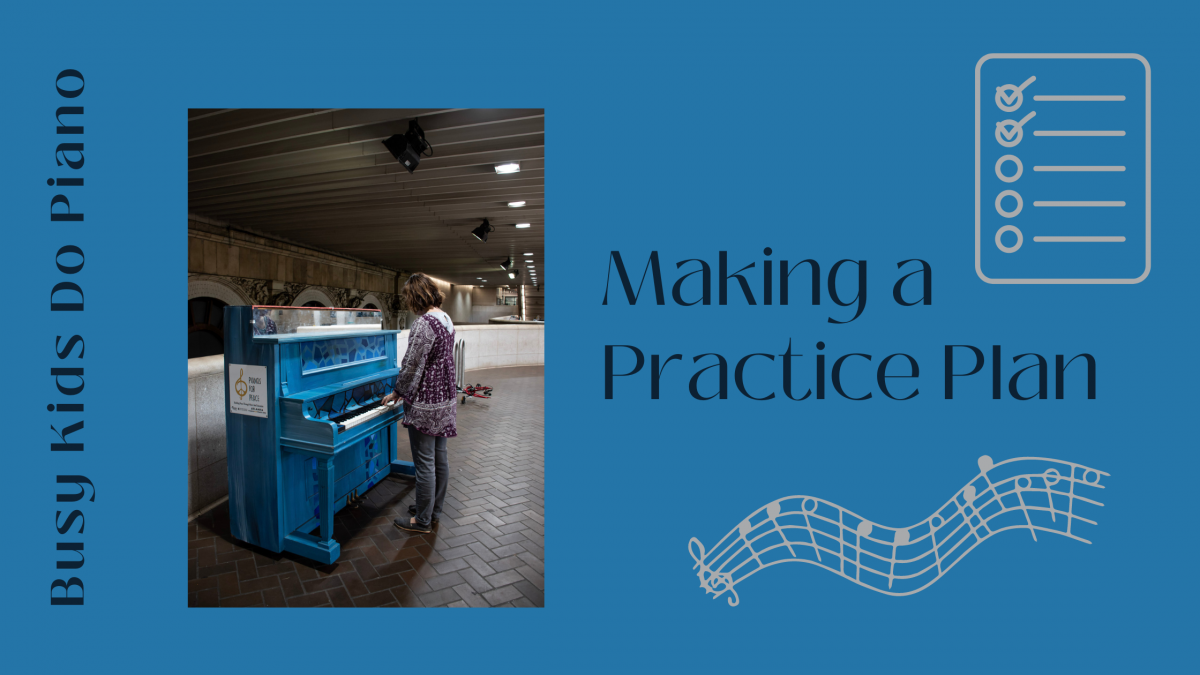
Making A Practice Plan.

At my high school, piano was a required “class”, and therefore, piano practices were something scheduled during the regular school day. I believed this to be a serious advantage because I no longer had to figure out a time to schedule practice between all the homework and extra-curricular activities that were beginning to fill my after-school hours.

The piano practices were held in the basement of our school building. Six to seven rooms were in the area with a piano in each, and a monitor would sit in the main area, strolling around and peering through the window into each practice room at regular intervals to make sure that students were, indeed, playing the piano and not reading books or doing other homework during this 40 minute period. (This was before cell phones, so you can only imagine the distractions that must take place now!) Continue reading “Making A Practice Plan.”
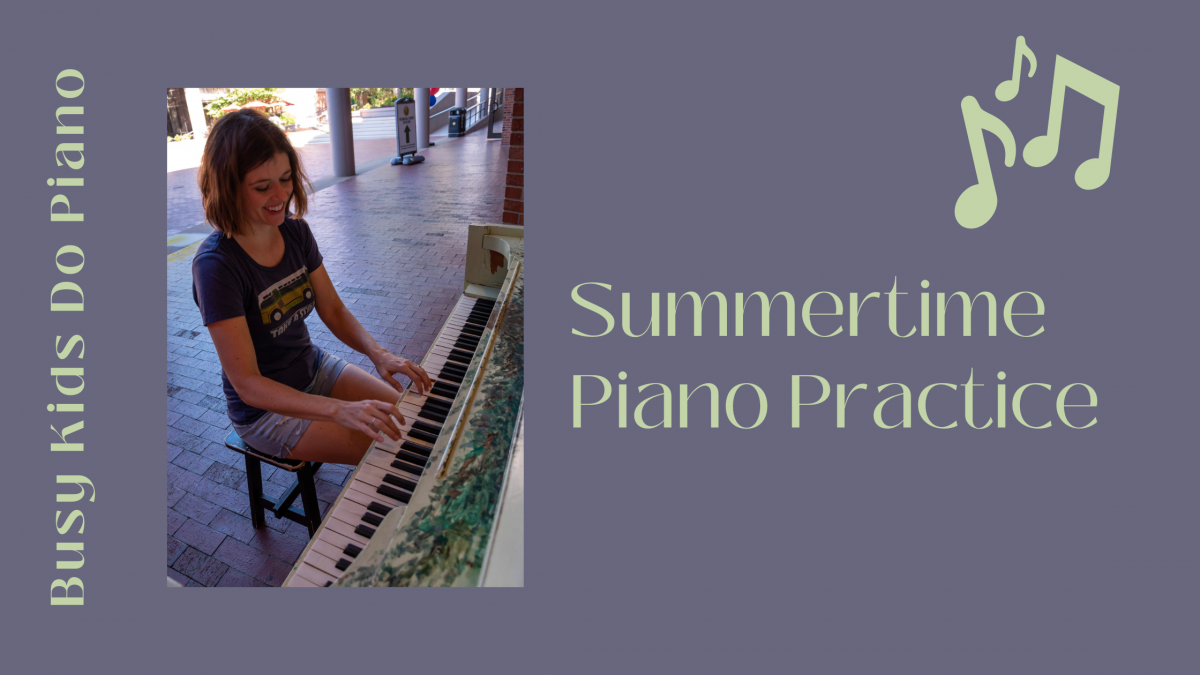
Summertime Piano Practice.

Many students have a much-needed and well-deserved break from school during the summer months. With summer on the horizon, perhaps you’ve also noticed that there are many “SUMMER READING CHALLENGES” around. I’ve seen them at our local bookstores, library and even McDonald’s. My own kids love these summer reading challenges and are super motivated to plow through books and keep track of their reading in order to earn free books, movie tickets or Happy Meals. Continue reading “Summertime Piano Practice.”

How to Participate in Your Child’s Music-Making.

So often, parents of students come to me with practicing struggles. They are exhausted from having to nag their child to practice, are running out of incentive ideas or perhaps have let practicing slide for awhile and aren’t really sure how to get back into healthy practice habits. Continue reading “How to Participate in Your Child’s Music-Making.”

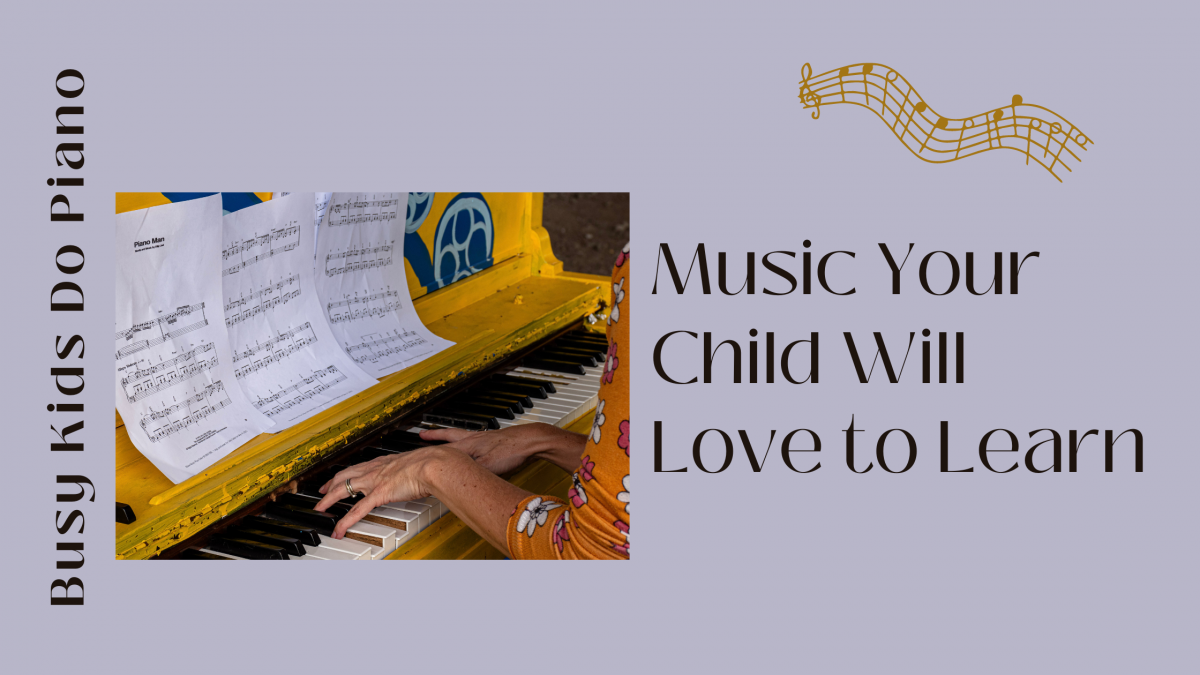
Music Your Child (or YOU!) Will Love to Learn

As students become more proficient musicians, a key way to motivate them to continue learning and to encourage their independence is to find music they enjoy learning and performing. This continues to build their confidence and skills — and it’s fun! Continue reading “Music Your Child (or YOU!) Will Love to Learn”

How Being A Church Musician Has Made Me A Better Pianist.

I started playing piano for church when I was just a 2nd grader. Our kind and lovely church organist, herself an experienced church musician, asked if I would be willing to play a song for offering. I don’t remember the name of the piece. I know it was something from my hot pink Alfred method book and that I was really scared. I’m sure I made lots of mistakes and that those few minutes weren’t particularly meditative for the congregation. Continue reading “How Being A Church Musician Has Made Me A Better Pianist.”

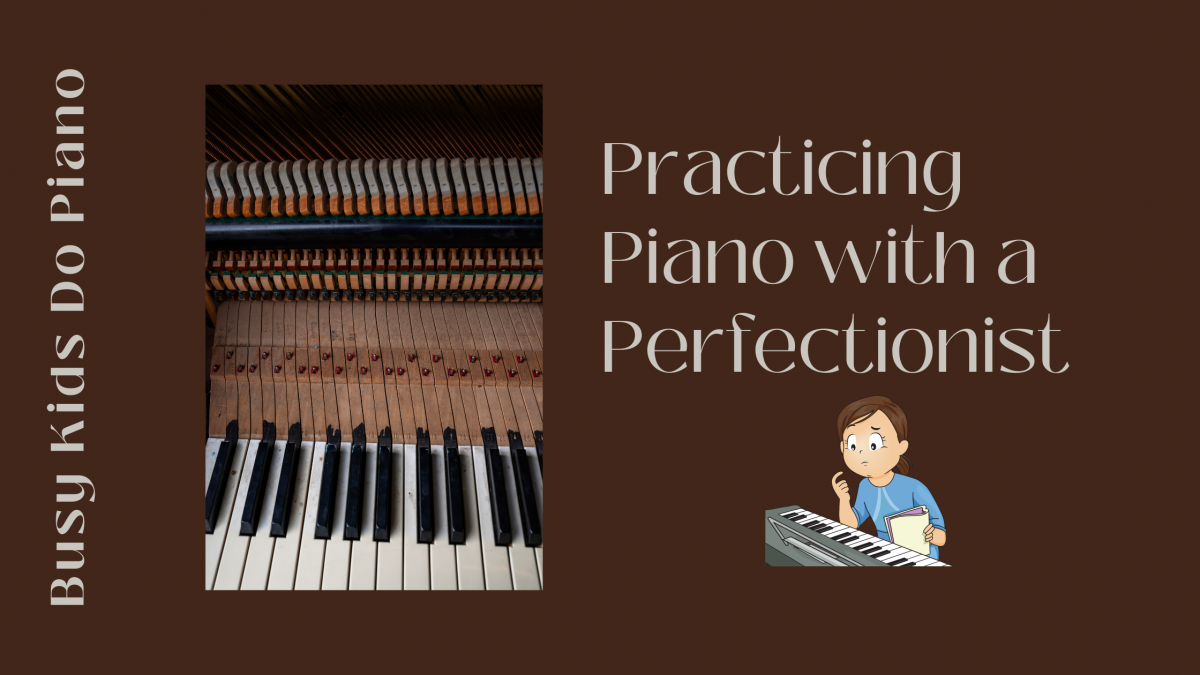
Practicing Piano with a Perfectionist.

When I had just turned 5, my mom gave me a jump rope. I attempted to actually JUMP ROPE with it, but could not quite master the art of skillfully whipping the rope around at the exact time needed to jump over it without tripping on it. The way she tells the story, I gave it a few tries, became frustrated, and threw a tantrum because I couldn’t do it.

Then my mom signed me up for piano lessons. Continue reading “Practicing Piano with a Perfectionist.”

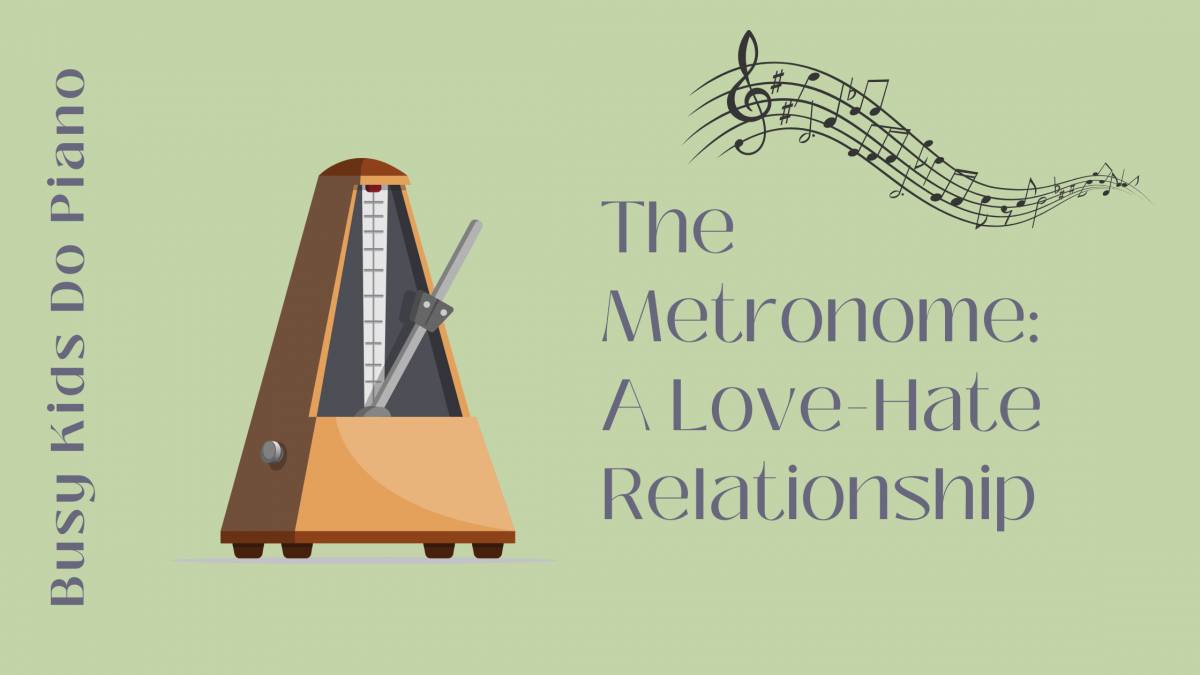
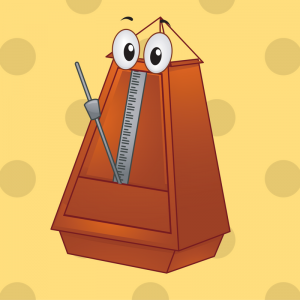
Practicing With A Metronome: A Love-Hate Relationship

Did you play a musical instrument as a child? If so, chances are that you have not-so-fond memories of practicing with a metronome.metronomeAh yes, the metronome.

My favorite teacher whom I love dearly always had me practicing with a metronome. Like all the time. I had to play my warm-up scales, arpeggios, chords and Hanon exercises with this ticking. It accompanied me during the “middle” learning stage of each and every sonatina. Continue reading “Practicing With A Metronome: A Love-Hate Relationship”

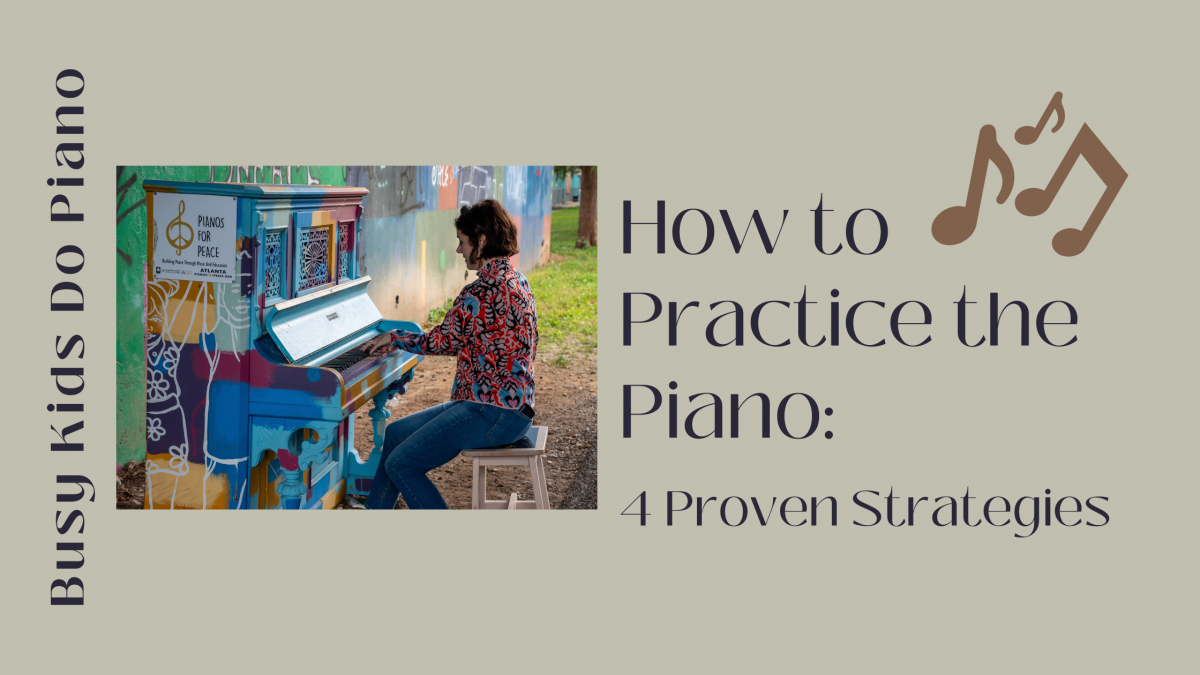
How to Practice the Piano (Four Proven Strategies)

Let me share two different scenarios with you….

Student A practices the piano daily for 30 minutes. Her mom sets a timer. She plays through the materials her teachers assigned, but spends most of her time on the things she likes or is already good at in order to pass the time until the timer goes off. Continue reading “How to Practice the Piano (Four Proven Strategies)”

4 Ways to Be A Positive Practice Partner.

Does practicing piano with your child ever feel like a slow and painful form of punishment?

Especially if you are a pianist yourself, it can be difficult to hear your child struggling through a piece without quickly “fixing” everything for her. It might also be tempting to stop every single time you hear a mistake. In a recent post, I detailed what, exactly, your role is in practicing alongside your child. It’s so important to understand how you can set up practice sessions successfully and how to structure that time together! Continue reading “4 Ways to Be A Positive Practice Partner.”

Your Role in Your Child’s Piano Practice.

Whether I’m meeting with a family new to piano lessons, I always stress with families that a RELATIONAL approach to piano is key to a student’s success. Parents who are involved in their child’s piano practice will see results and have a more pleasant experience. Continue reading “Your Role in Your Child’s Piano Practice.”